Part 1 of My Career Story: Becoming a Graphic Designer
Phasellus non metus id enim lacinia feugiat sit amet efficitur odio. In euismod sem id euismod efficitur. Nullam sodales ligula fringilla turpis consectetur.

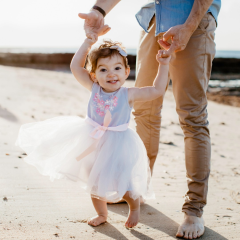
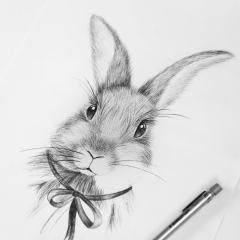
When I think back to my childhood and the question, “What do you want to be when you grow up?” my answer was always the same: “A vet.” I was unwavering in my determination, certain that helping animals was my calling.
Growing up, I found joy in helping not just animals, but being creative too. I had a bunch of cousins around my age, and even though one lived hours away, we kept in touch through handwritten letters (yes, before the internet took over). Those letters evolved into mini magazines, filled with news, stories, and even advertisements. It was a creative outlet that I relished, and I did it religiously every month for years. When one cousin couldn’t figure out their future career path—I’d create workbooks and homework assignments to help them navigate their interests. All the while, I held onto my dream of becoming a vet with unshakable confidence.
Then, at the age of 7, someone told me I had too much empathy to be a vet. I didn’t know what the word meant at the time but I took it as I wouldn’t be “good” at being a vet.
Back to square one…
Since my earliest memories, I’ve been showered with praise for my artistic abilities. However, the word ‘talented’ began to carry a weight that felt burdensome, almost like an unwelcome label. Some of my young friends even teased me about it, casting a shadow over what should have been a source of pride. I grew increasingly frustrated with this association, feeling as though my worth was confined to this single aspect of myself.
Rather than embracing art as a career path, I veered away from it, seeking challenges that would push me beyond the confines of my perceived ‘talent.’
It wasn’t until I was 14, and a teacher emphasised the importance of choosing a career that brings happiness rather than just financial security, that I reconsidered. Still, when I finally mustered the courage to declare my passion for art, the chorus of doubters echoed: “Artists don’t make money.”
Undeterred, I turned to the internet for guidance. Personality tests, career quizzes, university course catalogs—I devoured them all in search of my path. That’s when I stumbled upon graphic design, and suddenly, everything clicked. Here was a way to merge my artistic talents with a viable career.
In 2008 I graduated from university with a degree in graphic design and the chaos of the global financial crisis hit at the same time. Job prospects seemed bleak, but I persevered and landed a position at an advertising agency. However, it wasn’t the dream job I envisioned. The administrative tasks drained me, and as an introvert, client meetings were daunting. Soon, the dread of Monday mornings overshadowed my weekends, and I knew I needed a change.
Four months in, I took a leap of faith and ventured into freelance design. It was liberating yet daunting, and I found myself questioning my career choice once again. Just as I contemplated a shift to going back to university and studying zoology, serendipity intervened.
My aunt introduced me to Luke, who would later become my husband, but back then, he was simply a guy running a marketing agency on the lookout for a freelance graphic designer. Collaborating with him reignited my passion for design. With Luke handling client communication, I was free to immerse myself in the creative process and do what I loved most. Our partnership blossomed, leading us to establish a design studio where I not only rediscovered my love for graphic design but also reclaimed my confidence in my abilities.
Join me in Part 2 of My Career Story: Embracing the Artist Within.




hello
I’m Jacqui - artist, designer and illustrator
Here I share everything I love, from design advice, adventures, organisation tips to healthy recipe ideas.
Check out My Favourite Tools & Programs to see all my go-to-art and design tools.
Take a look at my about page if you would love to find out more.
free download
My favourite tools and programs
Want to know my go-to art and design tools? Get my comprehensive list of tech, software, paints, paper, brushes etc. Join the list below to get the download and occasional updates straight to your inbox.